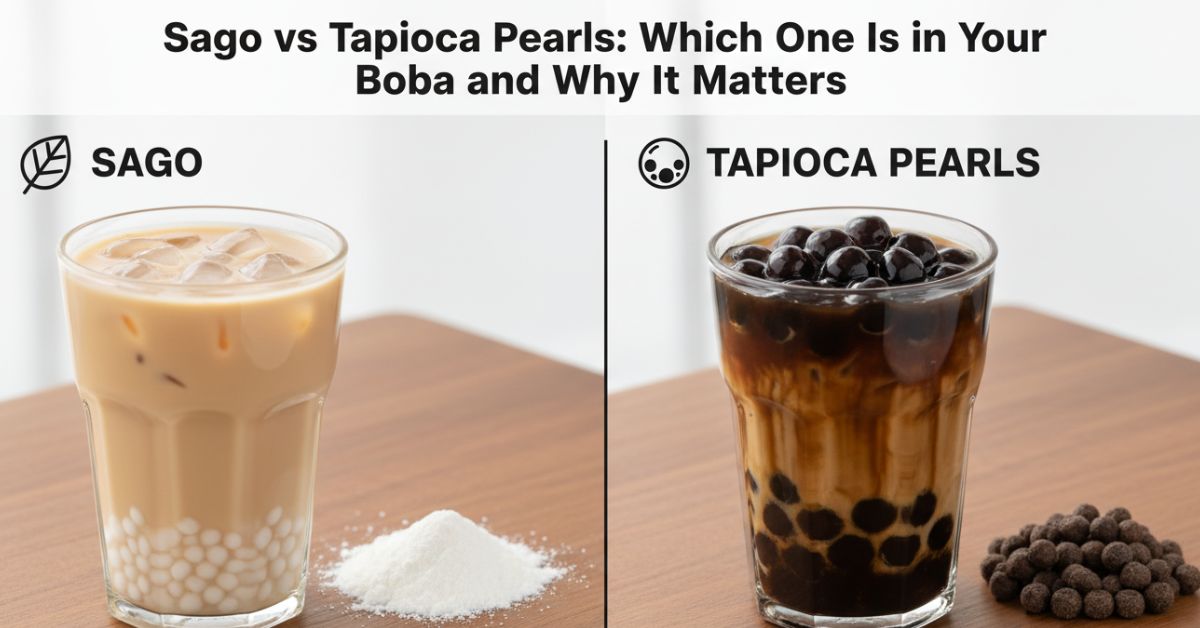
Boba tea has become a favorite drink for many people. But if you look at the bottom of your cup, you might wonder about the pearls. Are they sago or tapioca? They may look similar, but they are made from different ingredients. Understanding the difference between sago and tapioca can make your boba experience better, as it directly affects the taste, texture, and appearance of the drink. This guide explains everything you need to know about sago vs tapioca pearls.
What Are Tapioca Pearls?
Tapioca pearls are the classic boba most people recognize. They are made from cassava root. After processing, the starch is rolled into small balls. When cooked, tapioca pearls become chewy and slightly bouncy. Their dark color and glossy look make them easy to spot in drinks.
They are commonly used in milk teas, fruit teas, and slush drinks. The chewy texture is what gives boba its signature feel. They hold syrup and flavors well, which makes them perfect for bubble tea.
What Is Sago?
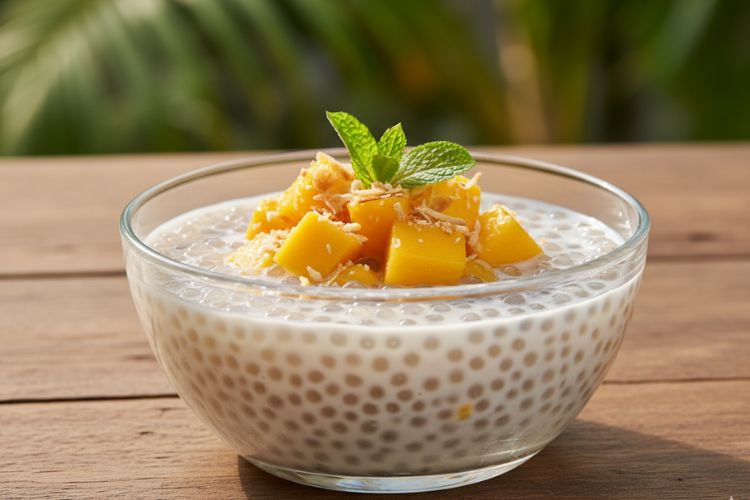
Is sago the same as tapioca? It’s a common question because they look alike, but they are not the same. Sago comes from the pith of palm trees, while tapioca is made from cassava root. Sago pearls are usually smaller, softer, and white or slightly translucent.
Sago is often used in Asian desserts, puddings, and sweet soups. Its texture is light and delicate, and if cooked too long, it can turn mushy. In drinks, sago offers a gentle chew rather than the bouncy feel of tapioca pearls.
Difference Between Sago and Tapioca
There are several ways sago and tapioca differ. Here are five key points:
- Source: Tapioca comes from cassava root, sago from palm trees.
- Texture: Tapioca is chewy and has a soft and tender texture.
- Size and Color: Tapioca pearls are larger and darker. Whereas sago is smaller and translucent.
- Cooking and Durability: Tapioca holds up longer in drinks, and sago can get mushy quickly.
- Flavor Absorption: Tapioca absorbs syrup and milk evenly, and sago absorbs faster but can lose shape.
Sago Pearls vs Tapioca Pearls
When looking at sago pearls and tapioca pearls, a few clear differences stand out.
- Texture: Tapioca pearls are dense and chewy, giving a satisfying bite. Sago pearls are much softer and more delicate.
- Look: Tapioca is usually dark and shiny, while sago is smaller, lighter, and more translucent.
- Flavor retention: Tapioca keeps its taste longer and blends well with syrups or milk. Sago absorbs flavors quickly but can become too soft in sweet drinks.
Texture and Flavor in Your Drink
The texture of the pearls affects the drinking experience. Chewy tapioca gives a satisfying bite, while soft sago feels delicate and melts in your mouth. Flavor is affected, too. Tapioca absorbs sweet syrups well without changing its texture, while sago may absorb faster but lose firmness. This is why texture and taste go hand in hand in boba drinks.
Choosing the Right Pearl for Bubble Tea
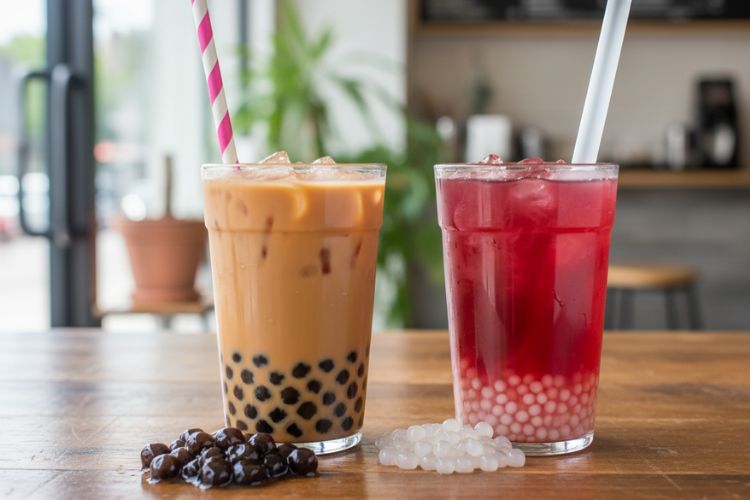
Not every drink uses the same pearl. Most cafes use tapioca because it stays chewy in cold drinks and milk teas. Sago is sometimes used in homemade drinks or dessert-style drinks where a softer texture is okay.
In this section, naturally, you might wonder about sago or tapioca in bubble tea. Choosing the right pearl depends on the type of drink and personal preference. Some people prefer the classic chew of tapioca, while others enjoy the softer feel of sago. Both work, but their texture and flavor handling differ.
Getting Started With Bubble Tea
For someone new to bubble tea, understanding the basics helps. A drink usually has tea, a milk or fruit base, and pearls. If you are just starting, it’s best to go with classic tapioca pearls. They give the chewy texture most people expect. This section naturally includes bubble tea for beginners to guide newcomers.
Types of Boba Pearls
There are different types of pearls for bubble tea. Black tapioca pearls are the most common. White tapioca pearls are less chewy but still bouncy. Then there are flavored or jelly pearls, which can add fruit taste and color to drinks. Understanding types of boba pearls helps you know what will work best in your favorite drinks.
Common Misunderstandings
Many people ask whether sago is the same as tapioca. The answer is no. They come from different plants, and their texture, size, and cooking methods vary. People often confuse them because they look similar when cooked. Knowing the difference helps avoid surprises in your drink.
How to Make Pearls at Home?
Making boba pearls at home takes a little patience, but it’s very doable. Tapioca pearls need to be cooked in fully boiling water and left for the right amount of time so they turn soft and chewy. After cooking, they’re usually soaked in sugar syrup to add sweetness and keep them from sticking together.
Sago pearls cook much faster and need a lighter touch. If you leave them on the heat too long, they can break down and turn mushy. The key with both types is timing and temperature. Cook them just long enough, keep an eye on the texture, and serve them fresh to get the best flavor and chew in your homemade bubble tea.
Popular Flavors to Try
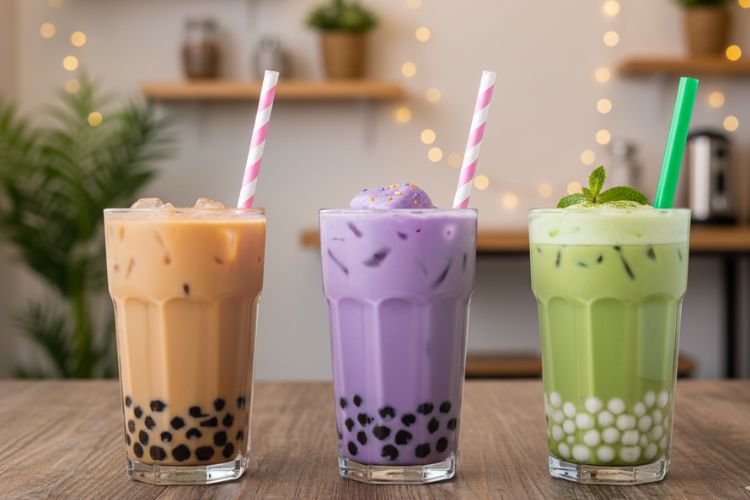
There are many popular flavors for bubble tea. Milk tea, taro, matcha, and fruit teas are favorites. Some flavors pair better with certain pearls. For instance, black tapioca goes well with classic milk tea, while fruit teas might go well with flavored or white pearls. Here, you can naturally include the best bubble tea flavors to help readers pick a drink they will enjoy.
Why Understanding the Difference Matters?
Knowing the difference between sago and tapioca pearls improves your bubble tea experience. It affects chewiness, taste, and visual appeal. You can make better choices at cafes or at home. It also helps in trying new drinks confidently and understanding what makes your favorite boba enjoyable.
Conclusion
Sago vs tapioca pearls are not the same, and each one has its own place in drinks. Tapioca pearls are chewy and hold flavor well, which is why they are the standard choice in most bubble teas. Sago pearls are softer and more delicate, so they are more commonly used in desserts or homemade drinks. Once you understand the difference between sago and tapioca, it becomes easier to choose the right pearl and enjoy bubble tea the way you actually like it.
If you want to taste the difference for yourself, Icey Bubbles is a great place to start. From classic milk teas with perfectly chewy tapioca pearls to refreshing fruit teas and desserts, Icey Bubbles lets you customize every drink just the way you like it. Visit their Ajax location and enjoy bubble tea made fresh, flavorful, and exactly how it should be.